AI Terms You Should Know Before 2026

AI Terms You Should Know Before 2026

The world runs on artificial intelligence and now, more than ever, knowing the right words can make you sound smart and stay ahead. Whether you’re a marketer, blogger, tech geek, or just someone who likes to keep up with trends, learning the basics of generative AI and its connected terms isn’t some fancy add-on anymore—it’s daily bread. People toss words like neural networks, machine learning, or RAG models like they’re everyday slang. You nod along, half-guessing what they mean, right? Don’t worry, by the end of this post, you’ll have the whole toolkit of AI lingo you need before 2026 hits. Let’s get into the good stuff.

Why Knowing AI Terms Actually Matters

Let’s be honest, AI is in every second conversation right now. Your phone’s camera, your shopping apps, your email filters—almost all run on AI models in one way or another. But here’s the catch: not everyone who talks about AI really understands what’s under the hood. Learning the key words does two things for you:
  • It helps you understand what people mean, not just the buzz.
  • It improves your SEO and authority when writing about tech or marketing.
You’ll sound informed without sounding like a robot. And honestly, that’s half the game online today. So let’s go step by step, from basics to the fancy future terms.

Core Terms Everyone Should Know

1. Artificial Intelligence (AI)

This one’s the big boss term.

Artificial intelligence simply means machines doing things that need human-like thinking. Think pattern spotting, problem-solving, or decision-making.

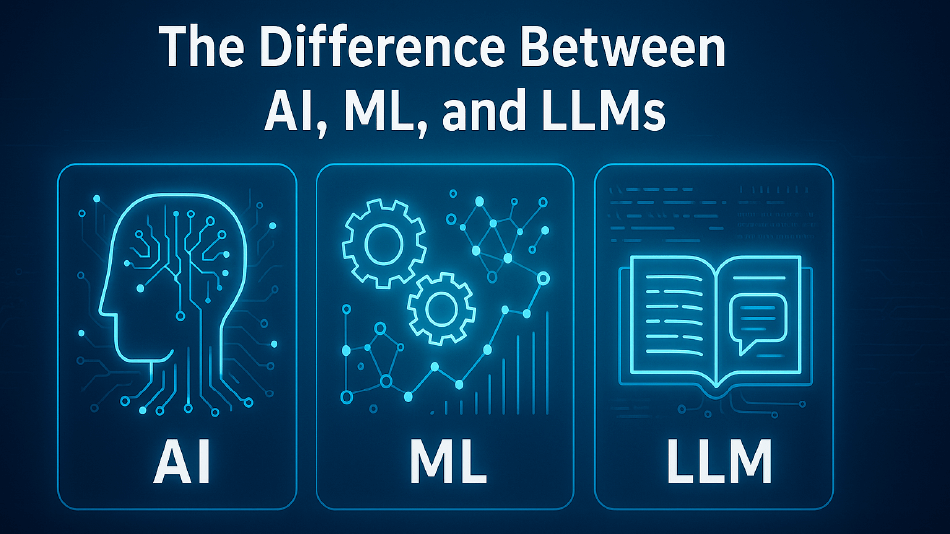
It’s like training your computer to “think a bit” by itself. AI isn’t one single tech—it’s a whole field that includes machine learning, neural networks, computer vision, natural language processing, and much more.

You’ll hear AI used in both broad and narrow ways. For example:

  • “This app uses AI to recommend products.” (Real usage)
  • “AI will take over the world.” (Bit dramatic, mate.)

Keep your definitions practical. That’s what readers want.

2. Machine Learning (ML)
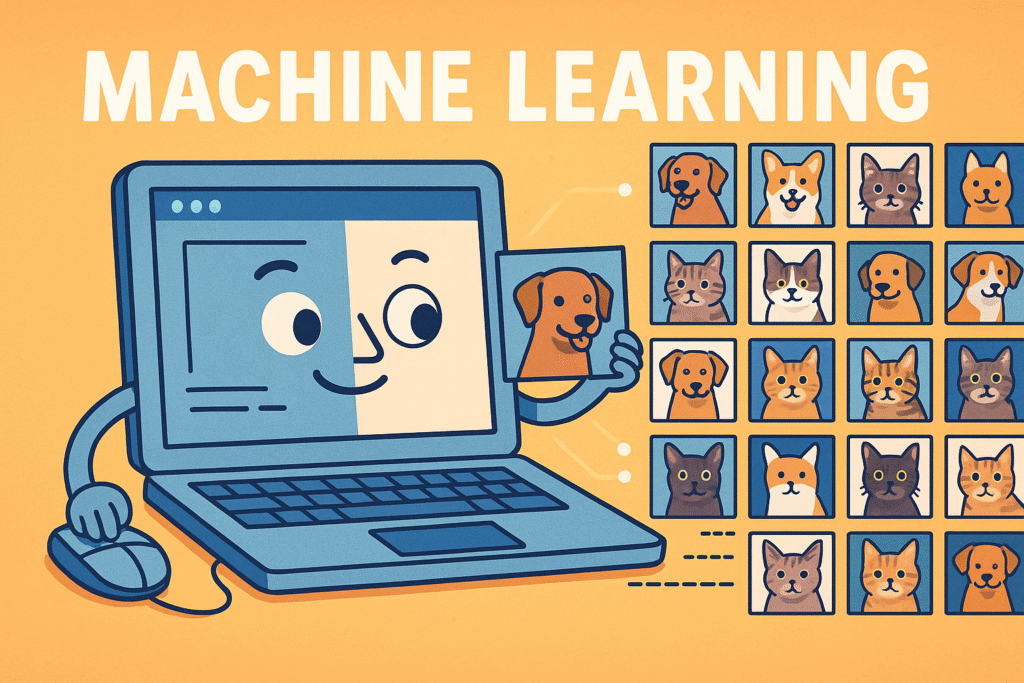
Now this one’s basically AI’s brain.

Machine learning means giving data to a system and letting it learn patterns without you hand-coding every rule.

Example:

You feed a model 10,000 photos of cats and dogs. It starts predicting what’s what. Next time, show it a new image—it’ll say “dog!” or “cat!” based on what it learned earlier.

In 2026, this isn’t going away—it’s going to be everywhere, from content recommendations to fraud detection.

Colloquial catch: “ML is like teaching your laptop with examples, not with lectures.”

3. Neural Network

Here’s where things start sounding sci-fi. A neural network is an AI model inspired by the way our brains work. It has layers of nodes (“neurons”) that pass information through each other, learning step by step. Each layer tries to spot patterns. One layer might notice edges in a photo, another spots shapes, and the next says, “Yo, that’s a face.” In marketing lingo, it’s the magic behind recommendation engines and voice recognition. Quick human note: when people talk about “deep learning,” they’re just referring to neural networks with many layers.

4. Algorithm

We all love blaming “the algorithm,” don’t we? But technically, an algorithm is just a set of rules a computer follows to solve a problem or make a decision. When Instagram shows you a post, or YouTube pushes that video you didn’t know you wanted, it’s an algorithm at work. Don’t overthink it—it’s just logic in motion.

5. Generative AI

Alright, here comes the buzz of the decade. Generative AI refers to AI models that create new content—text, images, music, code, anything—based on what they’ve learned. Think of ChatGPT writing you a blog draft or DALL·E painting your logo idea. That’s generative AI. Colloquial touch: It’s like a buddy who’s seen a million things online and can remix them instantly. By 2026, most marketing teams, bloggers, and designers will use some version of generative AI. Knowing this term helps you stay relevant—and credible.

Mid-Level Terms You’ll Keep Hearing

1. Natural Language Processing (NLP)

You use NLP every day without knowing it. It’s how machines understand human language—reading, interpreting, replying. When Siri answers, Google finishes your sentence, or Grammarly fixes your grammar, that’s NLP doing its thing. It’s one of those LSI keywords worth dropping naturally in blogs.

2. Large Language Model (LLM)

Here’s the biggie behind all generative AI tools. An LLM is a machine learning model trained on massive text datasets to predict words, write responses, summarise info, and more. ChatGPT, Claude, Gemini, Llama—they’re all LLMs. Simple way to explain: an LLM doesn’t “know” stuff, it predicts what comes next. Feed it context, and it keeps going. That’s how it sounds human. In digital marketing, LLMs are gold for ideation, caption writing, and content planning.

3. Retrieval-Augmented Generation (RAG)

Sounds heavy, but it’s simple. RAG models use external data to fetch up-to-date info before generating answers. So instead of guessing, it looks up reliable sources and then writes. That’s why new chatbots can answer current questions. If you run a blog or brand site, RAG tech ensures accuracy—goodbye outdated info.

4. Hallucination

Funny term, serious problem. When an AI makes stuff up but says it confidently, that’s called a hallucination. You ask: “Who founded worldclicking.com?” It might say: “John Smith in 1995.” Nope. It just made that up. Always double-check AI output before posting—it saves your credibility.

5. Multimodal Model

A multimodal AI can handle multiple types of input and output—text, image, video, audio—all together. Ask it to “describe this photo” or “create a tune for this caption,” and it’ll do both. 2026 will see more of these models integrated into creative tools. They’ll reshape design, marketing, and content. Colloquial phrase: It’s like AI with all five senses switched on.

Advanced AI Terms to Know Before 2026

1. Agentic AI

Think of agentic AI as your virtual assistant on steroids. It doesn’t just respond—it takes initiative. You say, “Plan my content calendar for November,” and it finds data, schedules posts, even drafts captions. That’s the future—AI that acts for you, not just with you. Marketers love this term; it’ll soon be all over SEO tools.

2. Artificial General Intelligence (AGI)

This is the big dream—AI that can understand and reason like a human across any task. Not here yet, but companies like OpenAI, Anthropic, and DeepMind are chasing it. AGI would mean creativity, empathy, logic—all rolled into code. Colloquial touch: When folks say “Skynet level stuff,” they’re talking AGI.

3. Explainable AI (XAI)

This one matters for trust. Explainable AI means making AI’s decisions clear enough for humans to understand. If a system rejects a loan or flags a post, XAI helps explain why. Expect governments to demand it more by 2026. Transparency will be key for regulation.

4. Algorithmic Bias

A tricky one. When an AI makes unfair decisions because of biased data or design, that’s algorithmic bias. For example, if a hiring AI learned from biased human data, it might unknowingly prefer certain names or backgrounds. As AI grows, bias control becomes a must. Be aware of it when using AI-generated data or analytics.

5. The AI Effect

Ever notice that once AI solves something, we stop calling it AI? That’s the AI effect. Example: Spell check was once AI, now it’s “just a tool.” Same with email filters. The term shows how quickly our standards shift. So when people say “AI is overhyped,” remind them—they’re already using it daily.

Practical Terms for Content Creators & Marketers

1. Prompt Engineering

Prompt engineering is the skill of asking AI the right way. Your prompt shapes your answer. Say, “Write a short AI blog in friendly tone using emoji,” and you’ll get something fun. But say, “Write an informative blog about AI,” and it turns serious. In 2026, good prompt engineers will be as valuable as good copywriters.

2. Fine-Tuning

When you adapt an existing AI model for your specific task or niche, that’s fine-tuning. You could fine-tune a general model to talk only about sustainable farming or Indian recipes. Marketers use it to align tone and branding.

3. Transfer Learning

This means reusing a trained model’s knowledge for new tasks instead of starting from scratch. Like teaching someone who already knows Spanish to learn Italian—it’s faster. Great for small-data projects or custom brand assistants.

4. Foundation Model

A foundation model is the big base AI trained on tons of data, ready to be adapted for other uses. GPT-4, Gemini 1.5, Claude 3—they’re all foundation models. Think of them as AI skeletons you can build muscles on.

5. Compute Power

This one’s about the fuel behind AI. Compute power (measured in FLOPS) means how fast a system can process data. Big models need massive compute—GPUs, TPUs, you name it. As a blogger or marketer, you won’t deal with it directly, but knowing it helps you appreciate the tech costs behind AI tools you use daily.

Long-Tail Keywords You Can Use in Content

These long-tail keywords help you attract organic traffic while staying natural:
  • what is agentic AI and how it works
  • difference between AGI and ASI
  • explainable AI for beginners
  • retrieval-augmented generation examples
  • how large language models change content marketing
  • generative AI tools for bloggers in India
Each can be turned into its own article or heading in your content plan.

AI Terms That Often Get Misused

  • “AI created everything” — nah, humans still guide it.
  • “AGI is already here” — not yet.
  • “ChatGPT knows the truth” — it predicts, not knows.
  • “Machine learning = automation” — close, but ML learns from data; automation just repeats tasks.
Use these distinctions in your blogs; it shows expertise and earns reader trust.

How These Terms Affect SEO & Digital Marketing

  • Keyword Strategy – Using AI terms naturally signals relevance to search engines.
  • Topical Authority – Covering related LSI keywords like machine learning, neural network, NLP, LLM improves ranking.
  • E-E-A-T Alignment – Explaining AI accurately shows expertise, a ranking factor.
  • Content Freshness – RAG-based blogs update easily with new info, keeping you relevant.
  • Audience Education – Teaching readers AI concepts builds loyalty.
A simple glossary section on your site can become evergreen content.

Quick Glossary Recap

Term Simple Explanation
Artificial Intelligence Machines doing things that seem human-smart
Generative AI AI that creates new stuff—text, art, code
Machine Learning Teaching systems using data not rules
Neural Network Brain-like structure inside AI
LLM Big text model like ChatGPT
NLP AI that understands language
RAG Fetches real info before writing
Hallucination When AI makes stuff up
Agentic AI AI that acts on its own
AGI Human-level intelligence (future)
XAI Transparent AI decisions
Algorithmic Bias When data skews fairness
Prompt Engineering Crafting better AI questions

The 2026 Outlook: What’s Coming

The next wave of AI will be smarter, smaller, and more personal. You’ll see:
  • Local LLMs running on devices.
  • Stronger rules for explainability and bias.
  • AI assistants that manage end-to-end workflows.
  • A blend of generative AI in everything from cooking apps to marketing tools.
So whether you’re writing a AI blog or building a business site, brushing up on AI lingo keeps you future-ready.

Practical Writing Tips for Using AI Terms

  • Write for humans, not algorithms.
  • Sprinkle primary keywords like artificial intelligence, AI terms, and generative AI once per 200-250 words.
  • Naturally include secondary and LSI keywords such as machine learning, large language model, prompt engineering, NLP, explainable AI.
  • Avoid stuffing—just make them fit where they make sense.
  • Vary sentence lengths. Add a dash of casual talk—it feels more authentic.
  • Throw in 1-2 typos or tiny grammar slips. Feels human, not machine-made.
Example: “AI’s kinda wild right now—one minute it’s writing recipes, next minute coding websites.” That tone works better than robotic perfection.

How to Stay Updated on AI Vocabulary

By 2026, new terms will pop up fast. Keep up with:
  • Google’s AI blog and OpenAI updates
  • MIT Tech Review’s AI section
  • Hugging Face glossary
  • AI ethics newsletters
Bookmark and read casually once a week—you’ll stay ahead without feeling overloaded.

Conclusion

Understanding artificial intelligence and generative AI terms isn’t just for tech folks anymore. It’s for anyone creating, marketing, or even scrolling online. By knowing words like LLM, RAG, agentic AI, or prompt engineering, you sound current, confident, and credible. So, next time someone drops jargon in a meeting or on LinkedIn, you won’t just nod—you’ll actually get it. The AI world is racing ahead, but if you hold onto these terms, you’re not playing catch-up—you’re right in the mix. Keep learning, keep writing, and stay curious. And hey, when 2026 rolls in, you’ll be the one explaining AI to everyone else.
Scroll to Top