Why Knowing AI Terms Actually Matters
- It helps you understand what people mean, not just the buzz.
- It improves your SEO and authority when writing about tech or marketing.
Core Terms Everyone Should Know
1. Artificial Intelligence (AI)

This one’s the big boss term.
Artificial intelligence simply means machines doing things that need human-like thinking. Think pattern spotting, problem-solving, or decision-making.
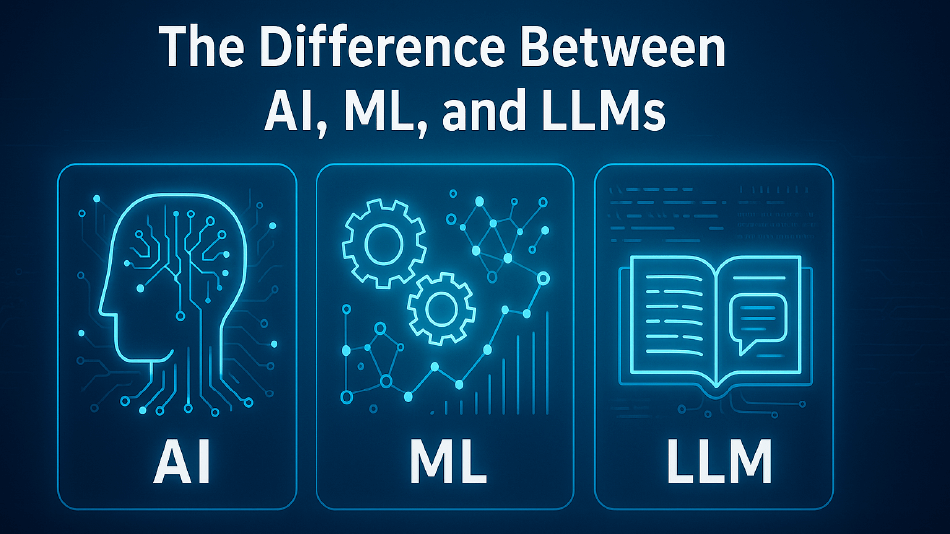
It’s like training your computer to “think a bit” by itself. AI isn’t one single tech—it’s a whole field that includes machine learning, neural networks, computer vision, natural language processing, and much more.
You’ll hear AI used in both broad and narrow ways. For example:
- “This app uses AI to recommend products.” (Real usage)
- “AI will take over the world.” (Bit dramatic, mate.)
Keep your definitions practical. That’s what readers want.
2. Machine Learning (ML)
Now this one’s basically AI’s brain.
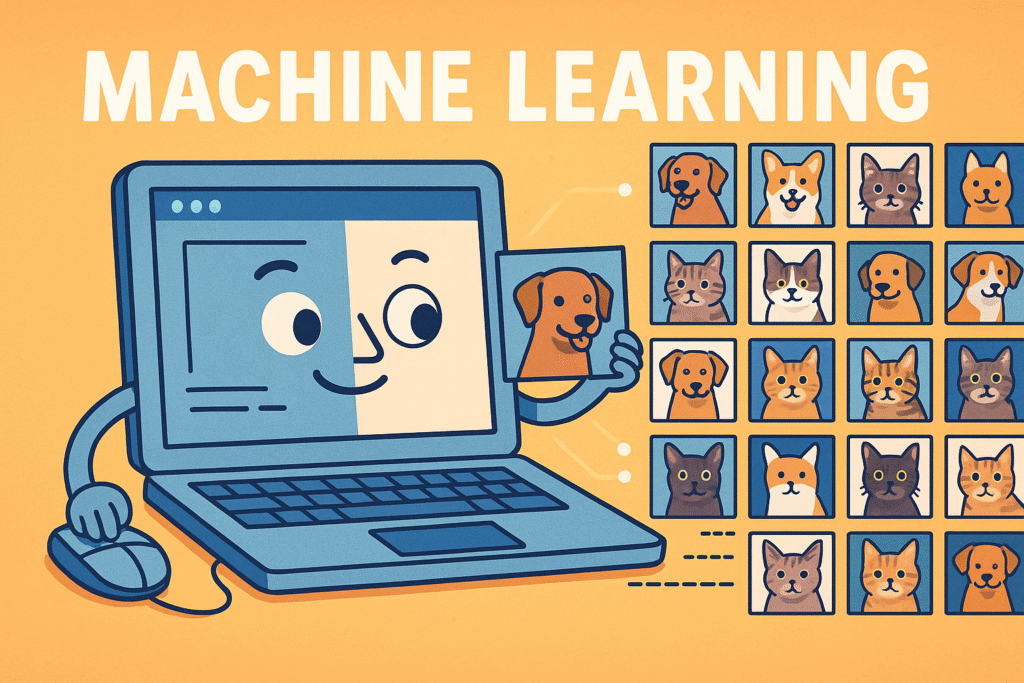
Machine learning means giving data to a system and letting it learn patterns without you hand-coding every rule.
Example:
You feed a model 10,000 photos of cats and dogs. It starts predicting what’s what. Next time, show it a new image—it’ll say “dog!” or “cat!” based on what it learned earlier.
In 2026, this isn’t going away—it’s going to be everywhere, from content recommendations to fraud detection.
Colloquial catch: “ML is like teaching your laptop with examples, not with lectures.”
3. Neural Network
4. Algorithm
5. Generative AI
Mid-Level Terms You’ll Keep Hearing
1. Natural Language Processing (NLP)
2. Large Language Model (LLM)
3. Retrieval-Augmented Generation (RAG)
4. Hallucination
5. Multimodal Model
Advanced AI Terms to Know Before 2026

1. Agentic AI
2. Artificial General Intelligence (AGI)
3. Explainable AI (XAI)
4. Algorithmic Bias
5. The AI Effect
Practical Terms for Content Creators & Marketers
1. Prompt Engineering
2. Fine-Tuning
3. Transfer Learning
4. Foundation Model
5. Compute Power
Long-Tail Keywords You Can Use in Content
- what is agentic AI and how it works
- difference between AGI and ASI
- explainable AI for beginners
- retrieval-augmented generation examples
- how large language models change content marketing
- generative AI tools for bloggers in India
AI Terms That Often Get Misused
- “AI created everything” — nah, humans still guide it.
- “AGI is already here” — not yet.
- “ChatGPT knows the truth” — it predicts, not knows.
- “Machine learning = automation” — close, but ML learns from data; automation just repeats tasks.
How These Terms Affect SEO & Digital Marketing
- Keyword Strategy – Using AI terms naturally signals relevance to search engines.
- Topical Authority – Covering related LSI keywords like machine learning, neural network, NLP, LLM improves ranking.
- E-E-A-T Alignment – Explaining AI accurately shows expertise, a ranking factor.
- Content Freshness – RAG-based blogs update easily with new info, keeping you relevant.
- Audience Education – Teaching readers AI concepts builds loyalty.
Quick Glossary Recap
| Term | Simple Explanation |
|---|---|
| Artificial Intelligence | Machines doing things that seem human-smart |
| Generative AI | AI that creates new stuff—text, art, code |
| Machine Learning | Teaching systems using data not rules |
| Neural Network | Brain-like structure inside AI |
| LLM | Big text model like ChatGPT |
| NLP | AI that understands language |
| RAG | Fetches real info before writing |
| Hallucination | When AI makes stuff up |
| Agentic AI | AI that acts on its own |
| AGI | Human-level intelligence (future) |
| XAI | Transparent AI decisions |
| Algorithmic Bias | When data skews fairness |
| Prompt Engineering | Crafting better AI questions |
The 2026 Outlook: What’s Coming
- Local LLMs running on devices.
- Stronger rules for explainability and bias.
- AI assistants that manage end-to-end workflows.
- A blend of generative AI in everything from cooking apps to marketing tools.
Practical Writing Tips for Using AI Terms

- Write for humans, not algorithms.
- Sprinkle primary keywords like artificial intelligence, AI terms, and generative AI once per 200-250 words.
- Naturally include secondary and LSI keywords such as machine learning, large language model, prompt engineering, NLP, explainable AI.
- Avoid stuffing—just make them fit where they make sense.
- Vary sentence lengths. Add a dash of casual talk—it feels more authentic.
- Throw in 1-2 typos or tiny grammar slips. Feels human, not machine-made.
How to Stay Updated on AI Vocabulary
- Google’s AI blog and OpenAI updates
- MIT Tech Review’s AI section
- Hugging Face glossary
- AI ethics newsletters