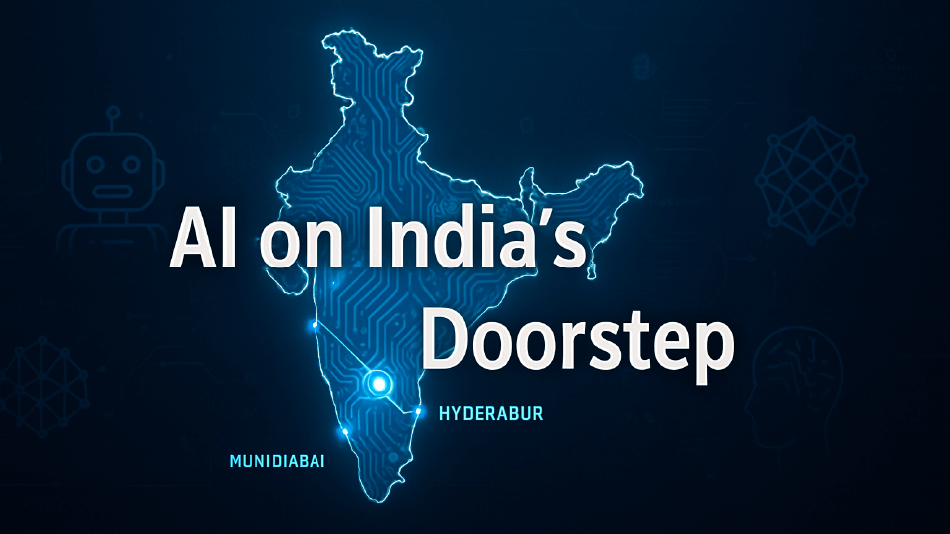
Life in India is changing bit by bit, and many people don’t even notice it happening. That’s the “quiet change.” You ask Alexa to turn on the light. Pay by scanning a code. Get movie picks that match your taste. It all feels normal now. But behind all this comfort sits something big — AI in India — working silently, shaping habits without shouting about it.
In 2025, you don’t need to live in a tech city to feel it. Even small towns see bits of AI everywhere — phone keyboards that guess your next word, shopping apps that show what you “might like,” or online doctors that check symptoms. This isn’t a future dream anymore; it’s daily stuff. You could say AI’s moved in next door, maybe even borrowed sugar once or twice.
Why does this matter so much? Because how AI affects daily life India isn’t just about gadgets or fancy tools. It’s about how people live, work, talk, and learn. It’s changing school lessons, traffic signals, crop predictions, and even job searches. In a country where millions go online every hour, AI isn’t just helping—it’s deciding things for us, quietly.
That’s the real story: no loud announcements, no tech buzzwords—just tiny changes adding up. From chai stalls using QR codes to farmers checking weather bots, India’s daily rhythm now hums with AI in the background. The change is slow, sneaky, and everywhere at once… and that’s what makes it powerful
AI in Indian Homes & Appliances
Walk into any modern Indian home, and you’ll probably hear a familiar voice saying, “Turning on the lights.” That’s AI quietly making life a bit smoother. From voice assistants to smart bulbs, homes are slowly turning into thinking spaces. People are getting used to comfort that reacts before they even ask. Let’s break it down a bit.
Smart speakers, assistants, voice control
These small gadgets are changing how Indian families interact with tech every day. They listen, learn, and respond in ways that feel oddly human.
Here’s how they’re showing up:
- Voice assistants like Alexa, Google Assistant, and Siri are now part of daily talk. People ask for weather, bhajans, or cricket scores without touching a button.
- Language support is improving fast. Hindi, Tamil, Marathi, and more are being added, making AI truly Indian in its reach.
- Smart TVs and sound systems now connect directly to these assistants, helping people control everything from channels to playlists.
- Kids use them for homework help, parents for setting timers or recipes, and grandparents just to listen to devotional songs or news updates.
Energy & utility automation
Another place AI in India is showing its real face is in how homes use power and manage daily routines. Machines are learning when we need lights, fans, or even water heaters.
You’ll spot it in simple ways:
- Smart plugs turn off unused devices automatically.
- AI-based air conditioners study usage habits and adjust cooling to save energy.
- Water management systems now use predictive settings to avoid wastage, super handy in Indian cities with supply limits.
- Electricity boards in some states are testing AI to predict peak usage and manage loads better.
These are small tweaks but together, they cut down bills and reduce waste. Not bad, right? People might joke that even the ceiling fan has brains now, but it’s not far from the truth.
AI isn’t shouting here. It’s whispering through every switch, every sensor, making sure homes in India stay smart without needing constant attention. And that’s where the quiet magic lies.
AI in Mobility & Transportation
Getting from one place to another in India has changed a lot in the last few years. What used to take endless phone calls or waiting by the roadside now happens with just a tap. That shift didn’t happen by luck. It’s AI in India quietly planning, predicting, and adjusting millions of trips every single day.
Let’s look at how it’s changing the road scene, from ride-hailing apps to buses and metros that actually run on time.
Ride-hailing apps & route prediction
Booking a cab used to mean calling and waiting. Now, people just open an app, and within seconds, a driver is matched and a route pops up on screen. That’s AI doing its thing, like a silent travel buddy.
Here’s where it shows up:
- Route prediction uses live data to choose the fastest way, skipping traffic jams before they even form.
- Dynamic pricing adjusts fares based on time, weather, and demand. Sometimes annoying, yeah, but it keeps cars available. Water management systems
- Driver matching improves safety and reduces wait times by learning which driver is most likely to reach sooner.
- AI voice assistants inside cabs guide both drivers and passengers, reducing confusion in busy city roads.
Even small details, like when your app says “your driver is nearby,” are powered by algorithms reading live movement patterns. It feels casual, but under that calm surface, massive systems are working in real time.
Public transit optimization
AI isn’t just helping private rides. It’s now sneaking into buses, metros, and trains to make public travel smoother for millions. Here’s where it shows up:
You can see its effect in many ways:
- Smart ticketing systems predict rush hours and adjust digital queue systems to reduce waiting.
- City buses in Bengaluru and Delhi are testing AI tools that track vehicle health and fuel use to avoid breakdowns.
- Metro networks use predictive algorithms to balance crowd flow between stations.
- Navigation apps show real-time delays and alternate routes, helping people choose the best connection.
In short, public transport is getting brains of its own. The idea isn’t fancy—it’s practical. Less time waiting, fewer missed stops, more comfort.
AI might not be driving every bus yet, but it’s definitely telling them when to arrive, how to save fuel, and where the next jam is likely to happen. That quiet presence is changing how India moves, one smart trip at a time.
AI in Finance & Daily Payments
Fraud detection, credit scoring
AI’s biggest job in finance is spotting what humans might miss. Banks and fintech apps now use AI systems that run 24/7 to catch suspicious moves before money even leaves your account.
You’ll notice its presence here:
- Fraud detection systems track thousands of transactions per second, checking if something feels “off.”
- Machine learning models compare your usual spending habits with the latest one to catch fake behavior fast.
- Credit scoring tools now go beyond salary slips; they study spending patterns, EMI habits, even online shopping behavior
- Instant loan approvals are powered by AI that decides creditworthiness within minutes.
Sometimes it feels spooky, right? Like your app knows you too well. But that’s the trade-off for safer and faster access. Instead of waiting days for a loan or alert, AI does the heavy lifting quietly in the background.
UPI, digital wallets with AI features
India’s UPI boom is another perfect example of tech meeting real-life needs. It’s fast, free, and almost everyone uses it daily. What most people don’t see is how much AI keeps it running smoothly.
Here’s how it helps out:
- AI chatbots in wallet apps like Paytm or PhonePe answer user questions and fix issues without human help.
- Fraud prevention systems detect duplicate requests or suspicious transfers instantly.
- Spending insights inside apps are powered by AI; they show monthly budgets, trends, and saving tips.
- Smart reminders help users pay bills before deadlines, reducing missed payments and penalties.
Even the small things, like when your app predicts who you’re about to pay next, are AI-driven touches that make life easier. For millions of Indians, these quiet changes add up to a more confident and connected money system.
In short, AI is now sitting inside every wallet, app, and card system. It doesn’t just count your money; it protects, predicts, and sometimes even advises you—like a financial buddy that never sleeps.
AI in Healthcare & Wellness
Healthcare in India isn’t what it used to be. Earlier, people had to travel far just to meet a doctor or get test results. Now, things are changing quietly. AI in India is turning health services into something faster, smarter, and way more personal. From online consultations to tiny wrist devices that track your heartbeat, AI is sneaking into almost every corner of healthcare.
Let’s look at how it’s shaping things from doctor calls to fitness apps that nudge you to take a walk after dinner.
Teleconsultation + diagnosis support
- AI chat assistants collect basic info before a real doctor joins, saving time for both sides.
- Image recognition tools help identify diseases early by scanning reports, X-rays, and scans.
- Virtual consultations use speech-to-text and translation so doctors can talk in local languages easily.
- Predictive AI studies patient history and symptoms to suggest possible causes and treatments.
Health tracking apps & predictive alerts
AI is also busy inside health and fitness apps. The ones people check right after waking up or before bed. These tools now go beyond counting steps; they try to understand your body.
You’ll see AI in action like this:
- Smartwatches track heart rate, oxygen levels, sleep cycles, and stress levels with real-time feedback.
- Health apps give early warnings if something looks unusual, like a sudden spike in heart rate or sugar levels.
- Personalized fitness plans are made using AI that studies your activity and suggests realistic goals.
- Nutrition apps now recommend meal plans based on health data, not just calories.
It’s like having a tiny medical helper sitting quietly in your phone. Sure, it doesn’t replace doctors, but it speeds up everything—less waiting, more accuracy. Some folks even joke that their phone “knows their cough pattern” now.
AI in Education & Learning
Personalized learning platforms
- Learning apps like Byju’s, Vedantu, and Khan Academy use AI to track what topics a student finds hard.
- Smart dashboards suggest lessons, tests, and videos based on each learner’s progress.
- Adaptive tests adjust difficulty on the spot—if a student keeps acing questions, the app makes it tougher.
- Performance analytics show parents and teachers how kids are improving over time.
Tutoring bots, assessment tools
- Tutoring bots explain tricky subjects using real-time chat. Students can ask again and again without judgment.
- AI-based graders check essays and short answers quickly, freeing up teachers for one-on-one help.
- Speech recognition tools help language learners improve pronunciation with real-time tips.
- Assessment systems identify weak spots and share custom revision plans automatically.
AI in Retail, Shopping & E-commerce
Recommendation engines
- Product recommendations on Amazon, Flipkart, or Myntra are powered by AI that studies what you like and what others with similar taste bought.
- Search suggestions change based on the season, your history, and even your city’s trends.
- Discount and offer placements are tailored so you’re more likely to buy what you’ve already been eyeing.
- Predictive inventory systems help stores stock items that will probably sell faster next week.
Chatbots, virtual try-ons
- AI chatbots reply instantly to delivery questions, refunds, or tracking updates.
- Voice shopping tools help people buy products hands-free, just by asking.
- Virtual try-on features let users test lip shades, glasses, or clothes using the phone camera.
- AI stylists suggest matching items or full outfits based on color and body shape.
AI in Government & Public Services
Chatbots for citizen services
- Government portals now include AI chatbots that help users fill forms for passports, taxes, or voter IDs.
- State helplines in cities like Delhi and Gujarat use chatbots to handle complaints and track their status.
- Public info bots share updates on health drives, pension schemes, or crop insurance using WhatsApp and Telegram.
- Voice-based bots help rural users who aren’t comfortable typing in English or Hindi.
Smart city infrastructure
- Traffic management systems adjust signal timings based on real-time congestion.
- CCTV networks use AI to detect accidents, wrong turns, and even open manholes for quick alerts.
- Smart waste bins notify authorities when they’re full, helping keep streets cleaner.
- Environmental monitoring sensors collect data on air and water quality, and AI predicts pollution spikes in advance.
Challenges & Concerns in India
AI might be doing great things, but it’s not all smooth sailing. Behind the shiny apps and smart systems, there are problems people don’t talk about enough. India’s moving fast with tech, but not everyone’s keeping pace. Some folks enjoy AI-powered comfort, while others still struggle to get a stable internet line. That gap says a lot about how uneven this digital growth really is.
Let’s break down the main worries that come with this quiet AI wave.
Privacy, data security, digital divide
- Apps and platforms collect more data than most users realize—location, contacts, and spending habits.
- Data leaks are rising as small startups use weak security setups.
- Cyber scams are becoming smarter too, often using AI tools to trick people.
- Rural areas face the digital divide, where people have fewer devices, slower connections, and less awareness.
Bias, transparency, regulation
- Facial recognition tools sometimes misidentify darker skin tones or women.
- Hiring algorithms may favor certain resumes based on hidden patterns in data.
- Lack of transparency makes it hard for people to understand how decisions are made.
- Regulations are still catching up, and clear rules for AI use don’t exist yet.
What’s Next: AI in India’s Future
Trends to watch
- AI in agriculture: Tools that predict crop health, rain, and soil quality are helping farmers plan better.
- Voice tech in local languages: AI is learning to talk in Kannada, Bengali, Tamil, and more, helping connect the next 500 million users.
- AI for healthcare: Cheaper diagnostic systems are being made for rural clinics and small hospitals.
- Predictive systems: From traffic lights to power grids, AI will handle real-time adjustments on its own.
- Creative AI: Content writing, music, and video creation will see AI as a co-creator, not just a helper.
How individuals & policy can shape it
- Digital awareness: Everyone should learn basic AI literacy—what data is collected, how to protect it, and how algorithms work.
- Stronger rules: The government needs clear policies around privacy, data storage, and AI ethics.
- Local innovation: Supporting startups that build AI tools for Indian problems—like farming, traffic, or education—keeps growth balanced.
- Public education: Schools and colleges can add AI basics early so the next generation builds, not just uses, this tech.
- Ethical AI use: Companies must stay transparent about how their systems make decisions.
Conclusion
- Stay curious. Try out AI tools, but learn how they work behind the screen.
- Protect your data. Read those privacy settings; they matter more than you think.
- Support local tech. Use Indian AI startups that focus on solving real-world issues.
- Keep learning. Watch for updates on how AI is changing industries like health, jobs, and education.
- Speak up. If you spot unfair tech or bias in apps, report it or talk about it online.